Window Defogging Services in Manassas, VA
Trapped moisture between double-pane glass cleared without pulling out your frames — for homes, HOAs and commercial buildings from Old Town Manassas to Blooms Crossing.
Window defogging in Manassas — the short version
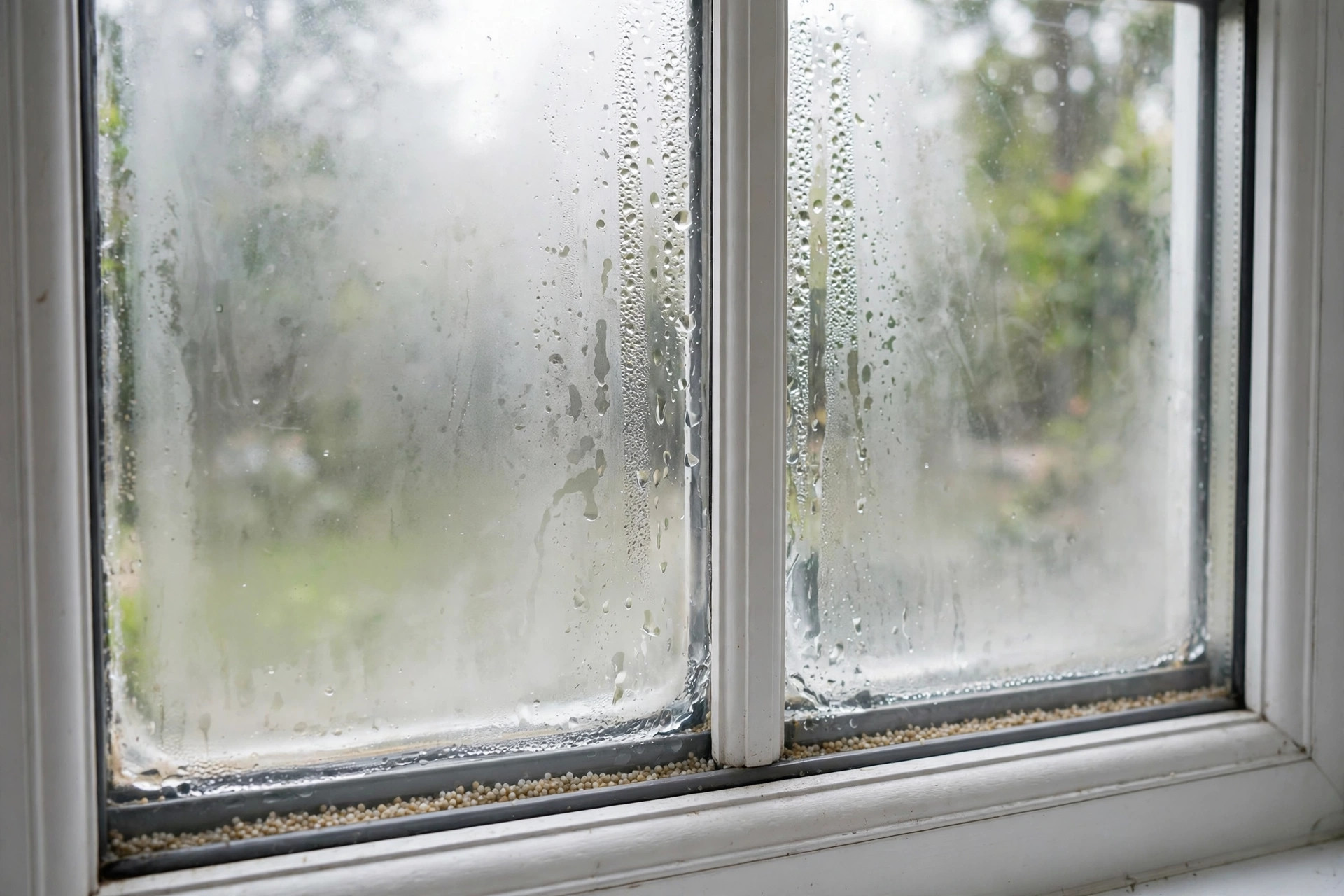
When a double-pane unit hazes over, the frame is usually fine. Defogging clears the moisture out of the sealed cavity and vents it so it stays out, which keeps your existing frames, sashes and trim exactly where they are. Where the glass is already etched, we will say so and price double pane glass replacement instead. Call (877) 356-8839 for a free, no-obligation estimate.
What Is Window Defogging?
A modern window is really two products in one: a frame, and a sealed glass unit sitting inside it. The glass unit is two panes held apart by a spacer bar, filled with an inert gas, and closed around the perimeter with a flexible seal. As long as that seal holds, the space between the panes stays bone dry.
Window defogging deals with what happens after the seal opens. Humid outdoor air makes its way into the cavity, and every time the glass warms and cools the vapour condenses and evaporates again — the haze that appears on a cool Manassas morning and half-clears by lunchtime. Cleaning does nothing, because the moisture is sealed inside where no cloth can reach.
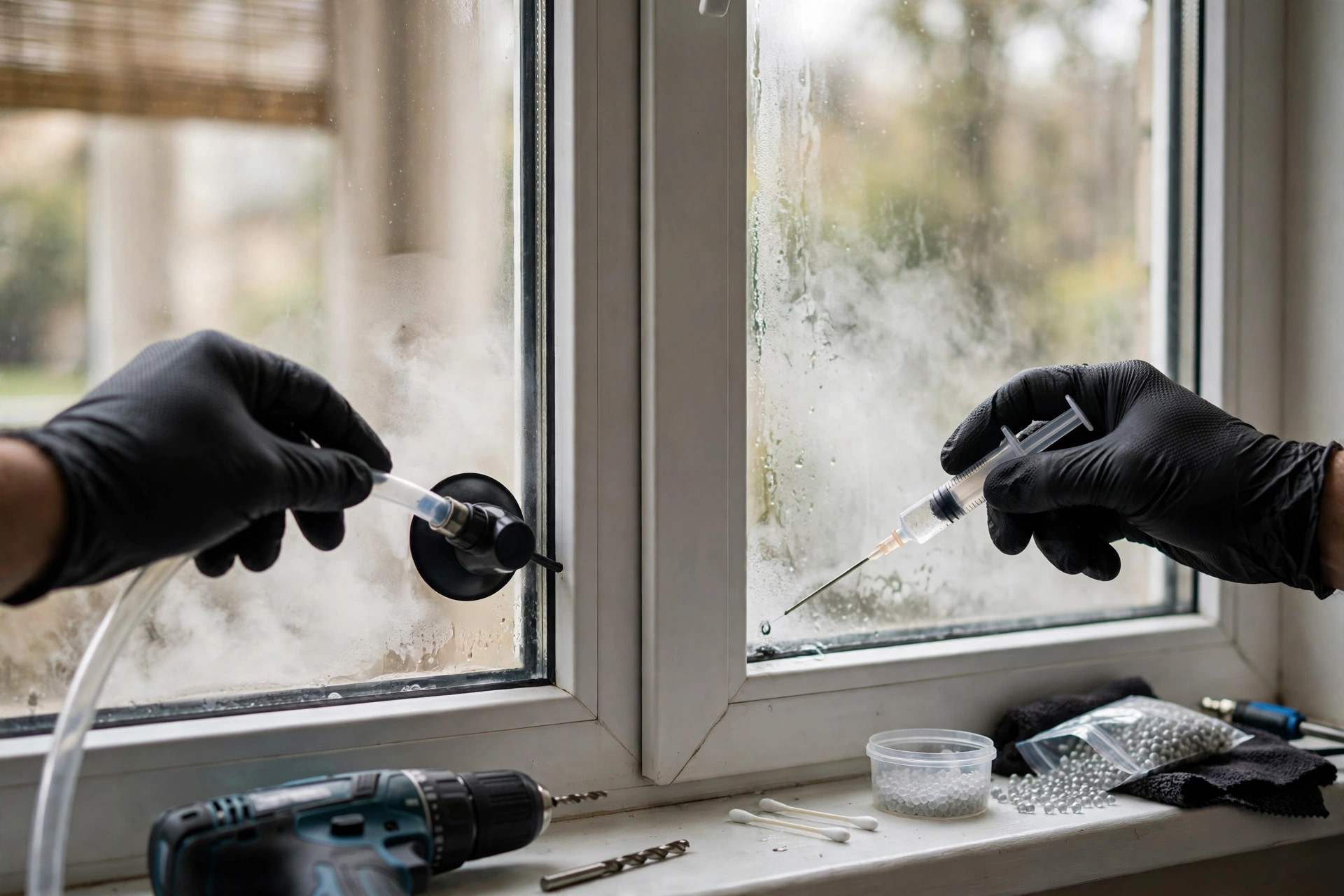
The repair takes the direct route. Discreet access ports are made, the cavity is flushed, cleaned and dried, and a one-way breather is fitted so the unit can equalise pressure without pulling humid air back in. Nothing is torn out, no interior casing is disturbed, and the paint line around your window stays untouched.
It is worth being clear about the limits. Defogging restores clarity and stops the wet-dry cycle. It does not refill the argon that escaped, so it is a visual and moisture fix rather than a full energy-performance restoration. For openings where thermal performance is the priority, insulated glass replacement is the more honest recommendation, and we will price both.
Defogging at a glance
- Keeps your existing frame, sash and hardware
- Targets moisture sealed between the panes only
- Discreet ports plus a one-way breather vent
- No interior trim removal or repainting
- Best on units where etching has not yet set in
- Not a fix for condensation on the room-side face
Why Windows Become Foggy in Northern Virginia
Seal failure is not bad luck and it is not usually poor installation. It is the predictable end of a component that has spent a decade or two absorbing the particular climate we have here — muggy summers, unsettled winters, and daily temperature swings that keep the glass moving.
Big daily temperature swings
Northern Virginia routinely moves 25–30 degrees between a spring sunrise and mid-afternoon. Glass expands and contracts with every swing, and the sealant around the perimeter of an insulated unit is what absorbs that movement year after year.
Long, humid Piedmont summers
Once a seal loses its grip, July and August air around Manassas carries more than enough moisture to load the desiccant inside the spacer bar in a single season. That is why so many windows first fog in late summer.
South- and west-facing solar load
Elevations facing Sudley Road or open backyards take hours of direct afternoon sun. Repeated heat cycling is the single fastest way to fatigue an edge seal, which is why fogging often appears on one side of a house first.
Freeze–thaw cycles
Winter here rarely stays cold. Water that works into a failing seal freezes overnight, expands, then thaws by lunchtime — a cycle that widens the smallest breach a little more each week.
Lost argon or krypton fill
Insulated units are filled with an inert gas that slows heat transfer. When the seal opens, that gas escapes and ordinary humid air replaces it, so the window fogs and its insulating value drops at the same time.
Age of the glass, not the frame
Vinyl and fiberglass frames commonly outlast the sealed glass inside them. Plenty of Manassas homes from the late 1990s and 2000s still have perfectly sound frames wrapped around insulated units that have simply reached the end of their service life.
This is also why fogging tends to arrive in clusters. Where a subdivision such as Ashberry or Winterset went up over a couple of building seasons, the sealed units in those homes were made at roughly the same time and reach the end of their life together. If a neighbour has just dealt with hazy glass, it is worth checking your own.
Signs Your Windows Need Defogging
Trapped moisture behaves differently from ordinary indoor condensation. These are the signals worth acting on, and the earlier you catch them the more likely defogging is to give you a clean result.
Haze you cannot wipe away
You clean both faces of the glass and the cloudiness stays put, because it lives in the sealed cavity between the panes.
Water beads inside the unit
Droplets appear in the morning and shrink by afternoon, tracing a tide line along the bottom of the glass.
White mineral streaking
Repeated wetting and drying leaves chalky deposits on the inner glass surface — a sign the failure is no longer new.
One room that never feels right
A bedroom that runs cold in January or a sunroom that overheats in July often traces back to units that have lost their gas fill.
Distorted or rainbow-like reflections
Pressure differences pull the panes toward each other, bending reflections and sometimes making the glass look faintly oily.
Sills that stay damp
Persistent moisture on interior sills and trim points to humidity that is not being managed by the glazing system as designed.
A quick test before you call
Wipe the inside face of the glass, then the outside face. If the haze survives both, the moisture is between the panes and this page is the right service. If it wipes away, you are looking at room humidity, and a bathroom fan or a dehumidifier will do more for you than any glass work. Our foggy window repair guide walks through the difference in more detail.
Our Window Defogging Process
Every visit follows the same six steps, so you know what is happening at your home or building and why.
- 01
Onsite assessment in Manassas
A technician looks at each affected opening, notes the direction it faces, checks the frame and drainage, and confirms whether the moisture is between the panes or condensing on the room side. Interior condensation is a humidity problem, not a glass problem, and we will tell you so rather than sell you a repair you do not need.
- 02
Confirming the unit is a defogging candidate
Defogging works best when the panes are intact, the spacer is still bonded and the etching is light. Cracked glass, delaminated Low-E coatings or heavy mineral scarring point toward glass replacement instead, and we say that up front.
- 03
Creating access ports
Small ports are made at discreet points in the glass or through the spacer, sized so they disappear behind the sash line. This is the step that lets trapped humidity finally leave the cavity.
- 04
Moisture removal and internal cleaning
A cleaning solution is introduced and cycled through the cavity to lift film and residue from the interior glass faces, then the unit is dried with filtered, low-humidity air until the internal surfaces read clear.
- 05
Installing a breather and resealing
A one-way vent is fitted so the unit can equalise pressure without drawing humid Virginia air back in, and the ports are sealed. The perimeter seal is inspected and re-dressed where it has opened.
- 06
Follow-up check
Clarity keeps improving over the following days as residual moisture works out through the breather. We walk the openings again, confirm the result in daylight, and flag any unit that would be better served by a new sealed glass unit.
Repair vs Replacement: Which Makes Sense for Your Home?
There are three honest paths once a unit fogs, and the right one depends on the condition of the glass and the frame rather than on a sales script.
| Consideration | Defogging | Glass Unit Replacement | Full Window Replacement |
|---|---|---|---|
| Typical cost per opening | Lowest of the three options | Mid-range | Highest |
| What is kept | Frame, sash and existing glass | Frame and sash | Nothing — full tear-out |
| Time on site | Usually a single visit | One visit plus glass lead time | Longer, with trim and finish work |
| Restores gas fill | No | Yes | Yes |
| Restores clarity | Yes, when etching is light | Yes | Yes |
| Interior disruption | Minimal | Low | Significant |
| Best when | Haze is recent and glass is sound | Seal failure is advanced or glass is etched | Frames are rotted, racked or leaking |
Lean toward defogging when
The haze showed up recently, the panes are uncracked, the frame is square and draught-free, and you want the view back without a construction project. This is the common case in newer Manassas neighbourhoods such as Blooms Crossing and Heritage Crossing, where the windows are simply at the age when seals give out.
Lean toward new glass or a new window when
Mineral deposits have etched the inner surface, the panes are cracked, the Low-E coating is peeling, or the frame itself is rotted, racked or leaking. In those cases window glass replacement or a full unit is the durable answer, and defogging would only delay it.
Benefits of Defogging Your Windows
Beyond getting the view back, keeping the original glass unit in place has practical advantages that matter on a real house with a real budget.
Clear views again
The reason most people call. Hazy glass makes a well-kept home look neglected from the street.
Less waste
Keeping sound frames and sashes out of the landfill is the lowest-impact way to deal with a fogged window.
Same-visit turnaround
Most openings are handled in a single appointment, with no frame removal and no interior demolition.
No disruption to trim or siding
Interior casing, exterior wrap and paint lines stay untouched, which matters on Old Town Manassas properties with original detailing.
Kinder to the budget
Defogging sits well below the cost of a full window, so a whole-house haze problem stops being a five-figure decision.
Straight answers
If an opening is past defogging, you get told, with the replacement option priced beside it.
Residential Window Defogging
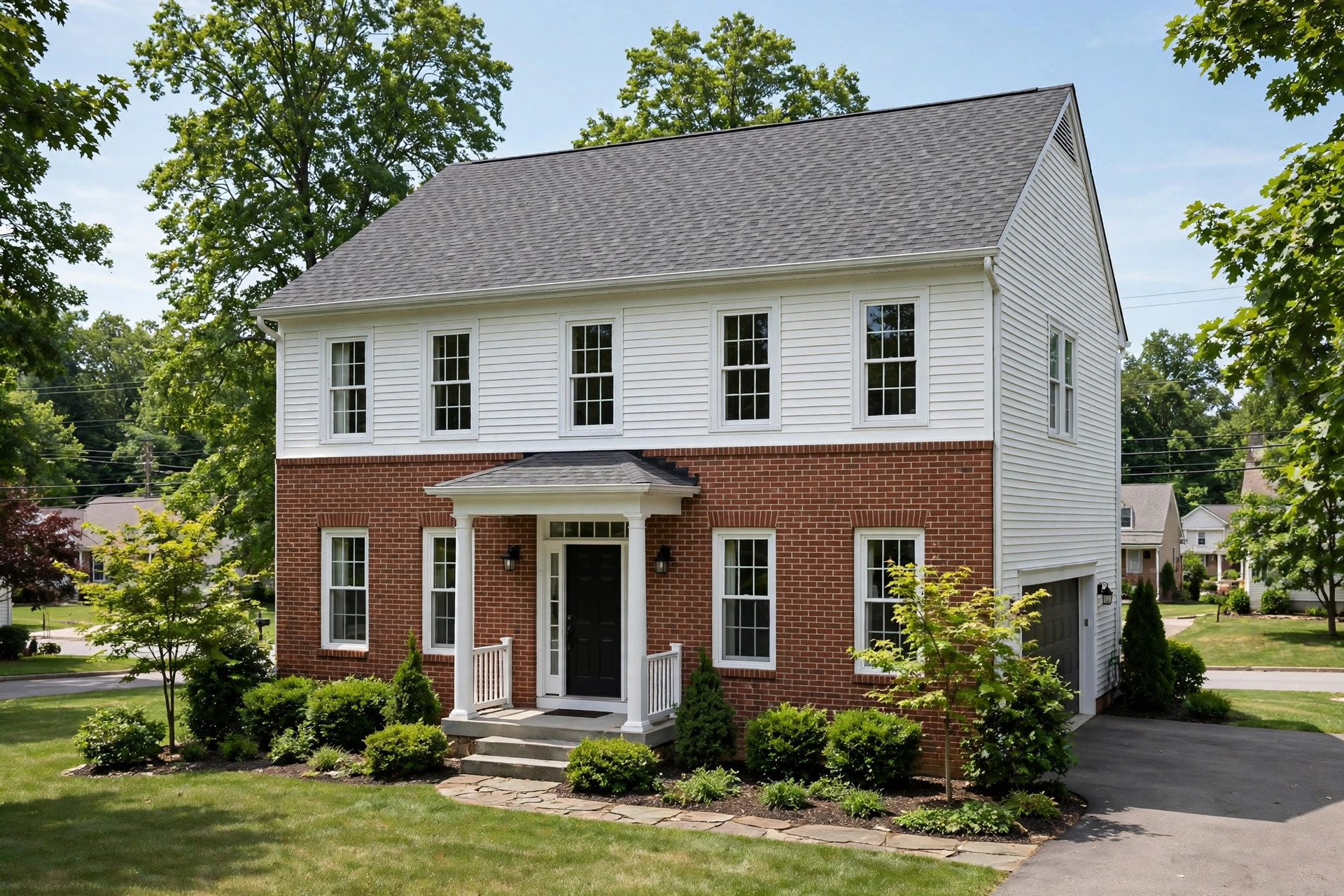
Most calls start with one or two windows and end with a survey of the whole house, because seals that were installed together tend to fail together. We work through the openings in priority order — the ones you look through every day first — and tell you plainly which can wait.
- Double-hung and single-hung units in colonial and craftsman-style homes
- Large fixed picture windows and transoms in great rooms
- Casement and awning units common in kitchens and baths
- Sliding patio door glass and adjacent sidelites
- Bay and bow assemblies where only one or two panes have hazed
- Sunroom and three-season-room glazing that fogs first each summer
- Second- and third-storey openings reached with proper ladder and lift equipment
- Whole-house surveys when several units failed in the same period
Commercial Window Defogging
For managers and boards, hazy glass is a line item that keeps reappearing in inspection reports. Handling it as a scheduled programme rather than a series of one-off complaints is cheaper and easier to document, and it keeps the building looking maintained to tenants and visitors.
- Small-office and professional-suite glazing along Center Street and Church Street
- Multi-tenant buildings where a manager needs one point of contact
- HOA and condominium associations coordinating several addresses at once
- Retail storefront upper lites where clarity affects the shopfront
- Medical and dental suites where a hazy window undercuts a clean image
- Scheduled after-hours work so trading and patient hours are not interrupted
- Consolidated written scopes and estimates for board or budget approval
- Phased programmes that tackle the worst elevation first and spread the rest

Neighborhoods We Serve in Manassas
Different parts of the city bring different glazing conditions — tree cover, sun exposure, build era and lot orientation all change how quickly a seal gives out. Here is what we tend to see where.
Old Town Manassas
Older stock and historic-facing elevations where keeping the original frame really matters.
Manassas Station
Mixed-age properties close to the rail corridor with a lot of west-facing glass.
Wellington
Large family homes with tall stairwell and great-room units that fog high up.
Sumner Lake
Waterside humidity keeps moisture pressure on seals for a longer stretch of the year.
Ashberry
Consistent build era, so seals often reach end of life across several homes at once.
Point of Woods
Heavy tree cover, damp shade and slower drying on north elevations.
Georgetown South
Townhome rows where a coordinated visit handles several units efficiently.
Lee Manor
Established streets with a mix of original and retrofitted glazing.
Mayfield Trace
Compact lots and full sun exposure on rear elevations.
Blooms Crossing
Newer construction where fogging usually shows up in isolated openings.
Signal Hill
Elevated sites that catch wind-driven rain from summer storms.
Heritage Crossing
Mid-size homes with patio door glass among the first to haze.
Winterset
Quiet residential streets with plenty of double-hung glass reaching seal-failure age.
Not on the list? We cover the surrounding Prince William County area too — see all Manassas window repair services or browse window costs by state.
Frequently Asked Questions About Window Defogging in Manassas
The questions Manassas homeowners, HOA boards and property managers ask us most often.
Related Window Repair Services
Other services that pair with window defogging when a seal has failed.
Foggy Window Repair
Diagnose and fix hazy insulated glass in existing frames.
Window Seal Repair
Repair perimeter seals before moisture damages the glass.
Failed Window Seal Repair
What to do once an IGU seal has fully given way.
Window Glass Replacement
New glass in the frames you already own.
Double Pane Glass Replacement
Swap failed insulated units and keep the frame.
Insulated Glass Replacement
Restore clarity and efficiency with a new IGU.